
CLIMATE CHANGE ADAPTATION AND CO-DESIGN THROUGH A TE AO MĀORI LENS
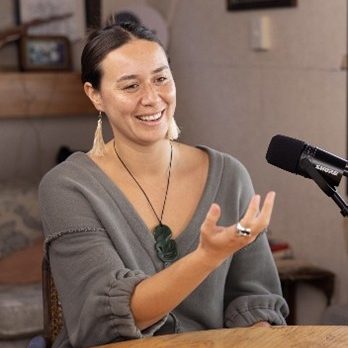
Te Huia Taylor
Te Huia is a product of her upbringing, brought up within her tribal rohe of Ngaati Te Ata Waiohua, she has been grounded in the tikanga of her iwi and Te Reo Maaori since childhood. With this strong foundation and her studies of a Bachelor or Commerce and a Masters in Te Reo Maaori Excellence she has gone on to contribute to a wide variety of kaupapa with the common thread being the environment, te reo Maaori and Ngaati Te Ata. With climate change often being a kaupapa she is drawn too. She lead the Rangatahi section and the Maaori Engagement for Aucklands Climate Plan – Te Taruke a Tawhiri and was a iwi rep for Ngaati Te Ata when the iwi partnered with Auckland Climate Festival in 2023.
Her governance experience includes being a member of the Te Puna – Maori Advisory Board for Taumata Arowai, recently appointed to the Auckland Conservation Board, current trustee for Te Ara Rangatahi Charitable Trust, director on Waiuku Zero Waste board and the treasurer of Tahuna Paa Funding Committee.
Currently she is contracting as a Land Advisor in Auckland Council’s Waiora Rural Partnerships team and has also received a research grant to look at how the restoration of the taiao coincides with the restoration of Maatauranga Maaori.
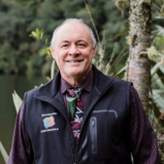
Dr Kēpa Morgan
Kēpa Morgan is a Chartered Professional Engineer and academic specialising in civil and environmental engineering. He integrates mātauranga Māori into engineering practices, notably through the development of the Mauri Model for environmental impact assessment. His work includes designing sustainable infrastructure for Māori communities and contributing to international environmental policy, such as the Aashukan Declaration. Kēpa is also the Managing Director of Mahi Maioro Professionals, focusing on culturally informed engineering solutions.

Dr Te Ahukaramū Charles Royal
Te Ahukaramū Charles Royal is a Teacher of Indigenous Knowledge including mātauranga Māori and iwi histories and traditions. He also Advises and Leads Projects and People, particularly to do with the ‘creative potential’ of the indigenous Māori dimension of Aotearoa-New Zealand. Te Ahukaramū spends his time exploring and applying indigenous knowledge in the world today. This includes strengthening and, sometimes, reawakening the indigenous foundation of iwi/Māori communities and investigating indigeneity as an important wisdom for all humanity. It is also about understanding the lessons of the historical colonisation and contemporary experience of indigenous peoples. What lessons can we take from this history and experience for how we ought to treat with one another?
Mereana Taungapeau
Mereana Taungapeau (Ngāpuhi, Ngāti Wai, Ha’asini Tonga) is General Manager of EcoQuest Cantre for Indigeneity, Ecology and Creativity and Chair of Te Ama | Aukaha te Wai, Water New Zealand’s Māori Special Interest Group. She is an experienced strategic leader with a background spanning environmental management, local government, Māori engagement, cultural heritage, and community development. Mereana has held senior leadership and advisory roles with Auckland Museum, Auckland Council, Manuhiri Kaitiaki Charitable Trust and Local Government New Zealand, where she has worked to strengthen partnerships with Māori, embed mātauranga Māori in policy and practice, and support positive environmental and community outcomes. Passionate about the connection between people, place, and water, she is committed to advancing collaborative approaches that weave together mātauranga Māori and Western science to address contemporary environmental challenges, including climate change adaptation and resilience.
75 BY 35 – SHAPING NZ’S BIOSOLIDS JOURNEY TO CARBON NEUTRALITY

David Romilly
Chief Engineer, Lutra
David Romilly is Chief Engineer at Lutra, a New Zealand water and wastewater company that pairs process engineering with its SaaS product Infrastructure Data (ID) platform. He brings 23 years across the United States, Australia and Aotearoa, having worked both as a utility owner running large treatment plants and as a consulting engineer. David leads Lutra’s engineering team and its work to bring AI and digital tools into everyday water practice, and chairs the Biosolids Subgroup of Water New Zealand’s Wastewater Special Interest Group. He is a chartered engineer (CPEngNZ and CMEngNZ) and a Professional Engineer in the United States.
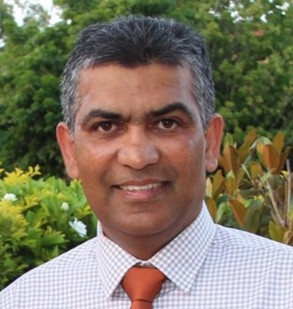
Azam Khan
Technical Director, Pattle Delamore Partners (PDP)
Azam is a civil/environmental technical and project delivery expert with over 30 years of consulting engineering experience, specialising in water and wastewater management. Azam is a well-known environmental specialist in the food industry. He is a Technical Director in the Water Infrastructure Discipline and Director of Pattle Delamore Partners Ltd (PDP).
Azam’s key areas of specialist practice include optioneering studies, development of process design, development of design of treatment plants, operation, troubleshooting and optimisation of water and wastewater treatment systems.
In addition, Azam is an experienced consultant involved with water take, surface water discharge and discharges to land resource consenting projects, including assessment of environmental effects. Azam is also an experienced engineer managing engineering construction projects
Azam has acted as expert witness for resource consenting projects.
Azam is a member of Biosolids and Wastewater Special Interest Group for Water NZ and a member of Land Treatment Collective. Azam is an Engineering Fellow of Engineering NZ and Chartered Professional Engineer.
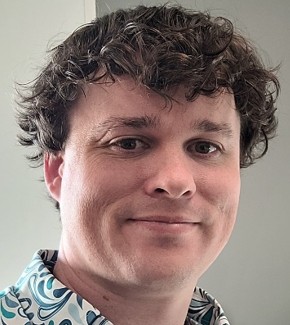
Daniel Hishon
Wastewater Asset Lifecycle Engineer, IAWAI
Daniel Hishon is the Wastewater Asset Lifecycle Engineer for IAWAI, the new water services organisation formed through the amalgamation of Hamilton City Council and Waikato District Council water services. He holds a degree in Materials and Process Engineering and brings more than eight years experience across operations and activity management in local government, with a practical understanding of the challenges involved in planning, managing and renewing critical wastewater assets. Daniel is also a member of ĀPŌPŌ Infrastructure Asset Management and WaterNZ’s Wastewater Special Interest Group, where he contributes to the development of asset management practice and collaboration across the sector.
NITRATE IN DOMESTIC DRINKING WATER SUPPLIES
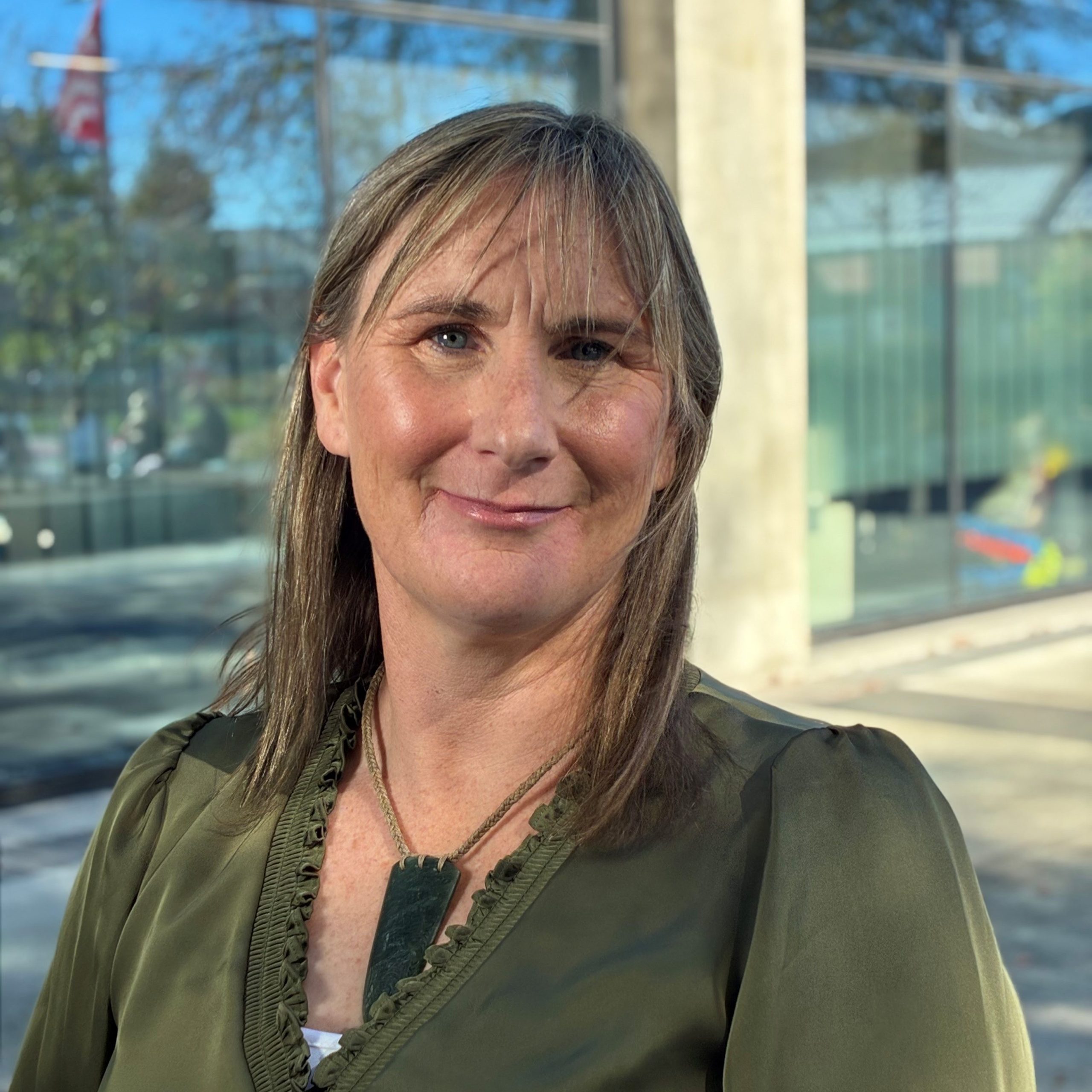
Dr Elaine Moriarty
Dr Elaine Moriarty is a water professional with experience spanning research, policy development, public health, and local government. As a member of IWA, she champions the integration of water research and its practical implementation for communities.
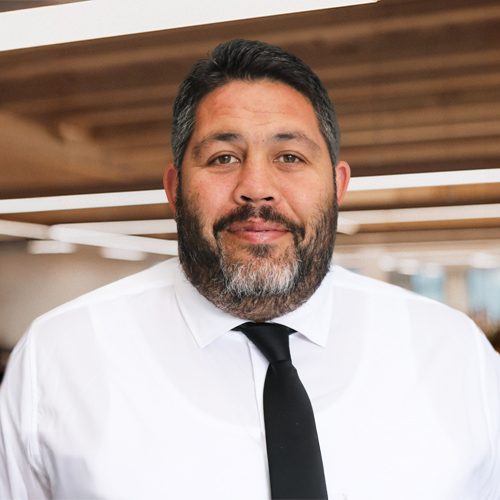
Troy Brockbank
Troy Brockbank (Te Rarawa, Ngāti Hine, Ngāpuhi) is a respected Māori water professional and the Te Mana o te Wai Lead at Beca, championing Indigenous knowledge systems and culturally grounded approaches to water management across Aotearoa. With a background in environmental and civil engineering, Troy integrates mātauranga Māori, technical practice, and co‑design principles to support iwi, councils, and industry partners in achieving outcomes that honour the health and mauri of waterways.
Troy has contributed to national conversations on stormwater and wastewater reform. He has published thought pieces on Indigenous engineering leadership, SPPEEx, and the need for greater Māori and Pacific representation within the profession. A recognised advocate for elevating Te Ao Māori within infrastructure and environmental decision‑making, he has also led kaupapa such as He Kura nā Rātā, He Kura Pūkaha—a wānanga celebrating Māori excellence in engineering.
Known for his ability to weave scientific insight with cultural narrative, Troy supports organisations in shifting towards Te Mana o te Wai‑aligned practices that uplift community wellbeing, restore environmental resilience, and reconnect people with wai. He is committed to being a good ancestor and helping shape a water future grounded in partnership, respect, and Indigenous leadership.
John Roche (Virtual)
Dr John Roche is a globally recognised expert in agricultural science and was appointed Chief Science Advisor to New Zealand Prime Minister Christopher Luxon in May 2025.
He also serves as Deputy Chair of the Prime Minister’s Science and Technology Advisory Council, which was established to guide the government on key scientific priorities and challenges.
Dr Roche grew up on a dairy farm in Castleisland, Ireland, where his early experiences shaped his passion for agricultural innovation and sustainability. He holds an Honours degree in Animal Science, a Master’s in Farm Systems and Pasture Management, and a PhD in Animal Nutrition. His academic and professional career spans Ireland, Australia, and New Zealand, with a focus on advancing sustainable farming practices and improving agricultural productivity.
Dr Roche has also served as Chief Science Adviser at the Ministry for Primary Industries (MPI) since 2018, a role he continues on a part time basis. At MPI, he led the organisation’s science forum, chaired the science governance group, and oversaw the independent Mycoplasma bovis Strategic Science Advisory Group. He also contributed to the Prime Minister’s Chief Science Advisor’s Forum and held an adjunct professorship at the University of Auckland’s School of Biological Sciences.
Dr Roche’s previous roles include Principal Scientist for Animal Science at DairyNZ, where he worked on innovative solutions to enhance the dairy sector’s sustainability and resilience. His expertise in animal nutrition, farm systems, and pasture management has made him a trusted advisor in both scientific and policy circles.

Jim Graham
Jim Graham is the Chief Advisor, Water Science with The Water Services Authority, Taumata Arowai. He has been working in the water industry in New Zealand for thirty five years, in roles including Health Protection Officer, Drinking Water Assessor, Leading the Ministry of Health Drinking Water Assistance Programme, Principal Environmental Scientist with a large Consulting company, Principal Water Quality Advisor with Water NZ and Principal Technical Advisor to the Establishment Unit for Taumata Arowai. He was an expert advisor to Havelock North Inquiry and has worked for the World Health Organisation in the Pacific and Asia.
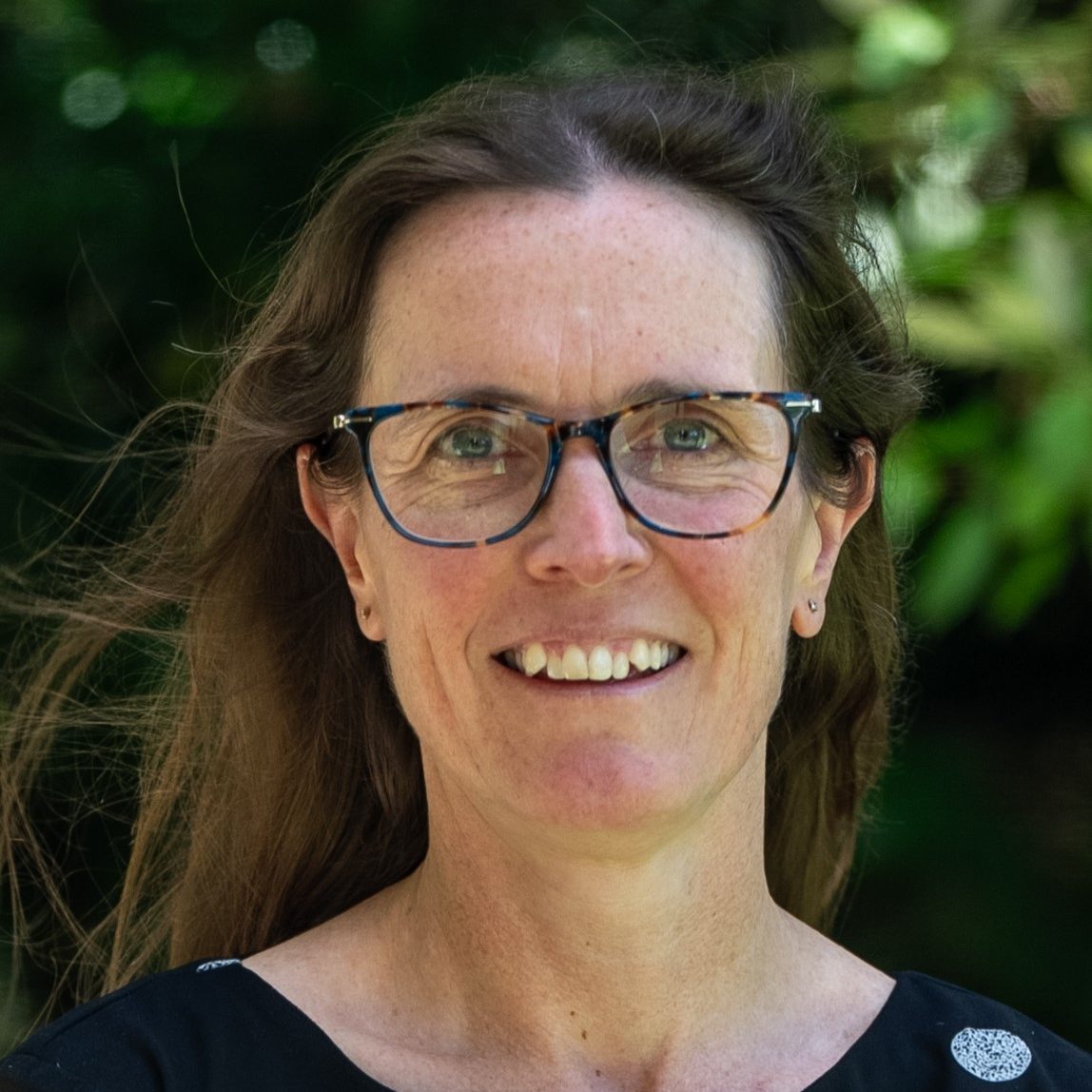
Louise Weaver
Louise Weaver leads a team of 12 researchers and technicians who investigate the fate and transport of contaminants from human and agricultural activity in our environment. Her team focused on surveillance and providing solutions to contamination issues using circular economy and ‘green/blue’ technologies. The team centres its research around harnessing the power of microbes and plants to remove contaminants and improve treatment Technologies in wastewater treatment and “in-field” systems.
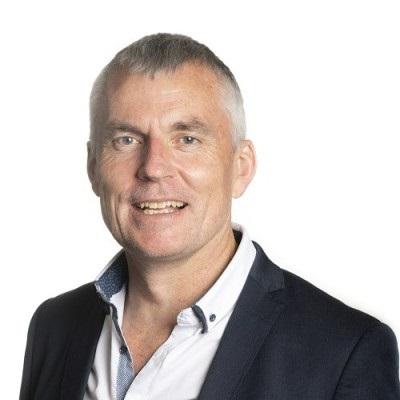
Hugh Blake Manson
Clean water is essential for enabling human and environmental sustainability. As a Fellow of Engineering NZ & Life Member of WaterNZ I have been privileged to design, deliver, operate and plan renewals across NZ and international water services. If you see fit, I look forward to volunteering my time again to support technical excellence in the Water sector through contributing to the technical committee.

Andrew Wong
Andrew is a Principal Process Engineer in Stantec’s Dunedin office with drinking water treatment experience in Canada and New Zealand, and is the regional Water Treatment Practice Lead. The focus of his experience in drinking water treatment includes process design, optimisation, and operation at both pilot-scale and full-scale.
Madeline Furness
Madeline is a Water Engineer at Aurecon with a Bachelor of Engineering (Honours) in Civil Engineering and a PhD in Biochemical Engineering. Her experience spans sustainable stormwater, wastewater, and biosolids management across the urban water cycle. She is passionate about advancing circular economy approaches that improve the sustainability and resilience of water infrastructure and resource recovery systems.
A DEMAND MANAGEMENT PLANNING FRAMEWORK FOR NZ
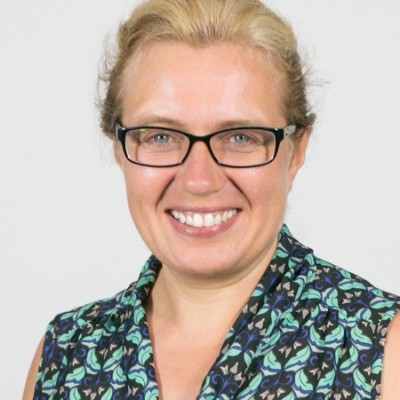
Andrea Turner
Andrea Turner is a chartered civil engineer with a PhD in organic waste management from the University of Technology Sydney and an MSc in environmental engineering from Imperial College, London. She has over 25 years engineering and research experience focusing on water efficiency/demand management, drought management and water resource planning (forecasting, options and evaluation). She has worked with water service providers across Australia and internationally in both the urban and broader industrial/agricultural sectors and assisted in developing resources, training and tools for key organisations such as the International Water Association and Water Services Association of Australia.
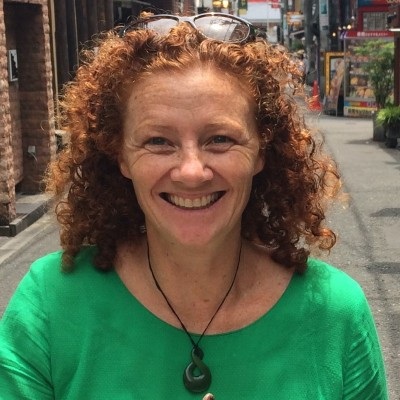
Bex Smiley
Bex Smiley manages Napier City Council’s Water Demand Management Programme, coordinating work across Council, in partnership with tangata whenua, and with external stakeholders to deliver initiatives aimed at achieving a 10% reduction in citywide water demand by 2030. She is a Capital Investment Planner with the Water Services team, with extensive experience in infrastructure asset management, investment planning and local government. Bex focuses on connecting strategic outcomes with practical asset management and investment decisions, including development of Napier’s Strategic Asset Management Plan, Water Services Asset Management Plan and investment planning framework.

Alexandra Humphrey Cifuente
Alexandra Humphrey Cifuente is an economic consultant at Frontier Economics specialising in Climate Adaptation & Resilience. She applies economics to the challenges posed by urban growth and climate change within blue, green, and grey infrastructure realms through investment evaluation, including real options analysis and adaptive pathways analysis, across diverse sectors like water, biodiversity, land-use planning, liveability and health. She has led water security planning and the development of a framework for valuing the benefits of water efficiency and conservation.
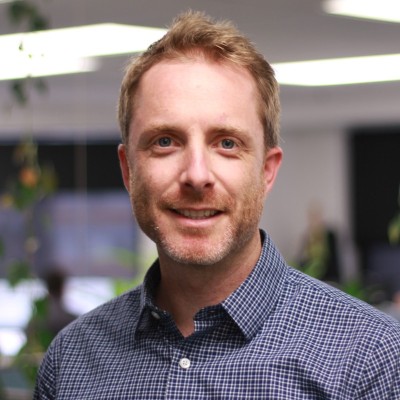
Evan Atkinson
Evan Atkinson is the Head of Digital for SUEZ Australia and New Zealand, where he leads the delivery of digital solutions that help water utilities improve operational performance, resilience and sustainability. With a background spanning software engineering, smart water technologies and utility operations, Evan works internationally to deliver real-world performance improvement, through application of AI, digital twins, advanced analytics and operational optimisation.
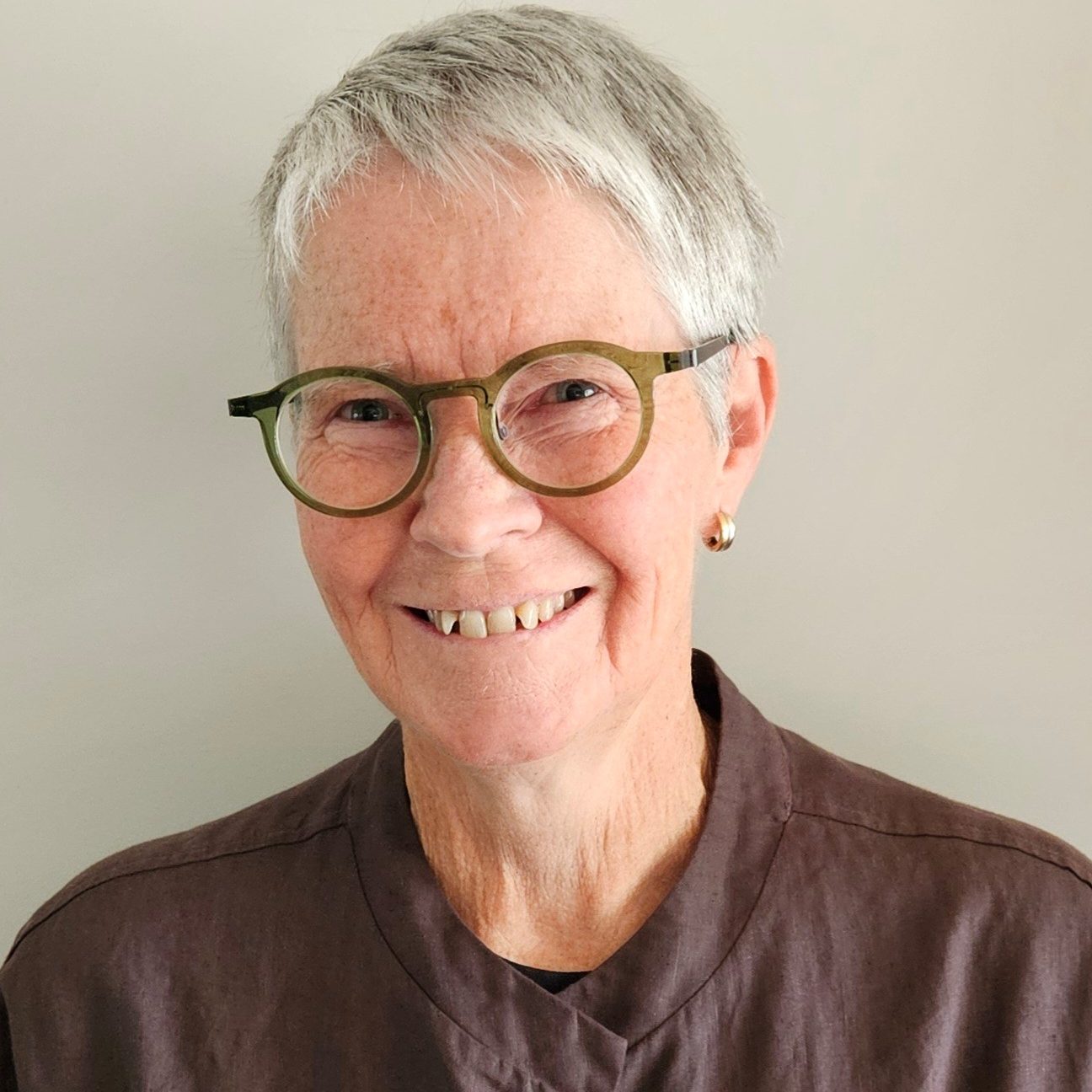
Helen Beaumont
Helen leads the three waters strategic planning team at Queenstown Lakes District Council. The team’s focus is on long term planning of networks with a staged approach to servicing growth and maximising the use of existing infrastructure.
Helen has had a long and varied career in local and central government roles spanning three waters, strategic planning, and resource management.
DRIVING DIVERSITY AND INCLUSION IN THE CONSTRUCTION SECTOR
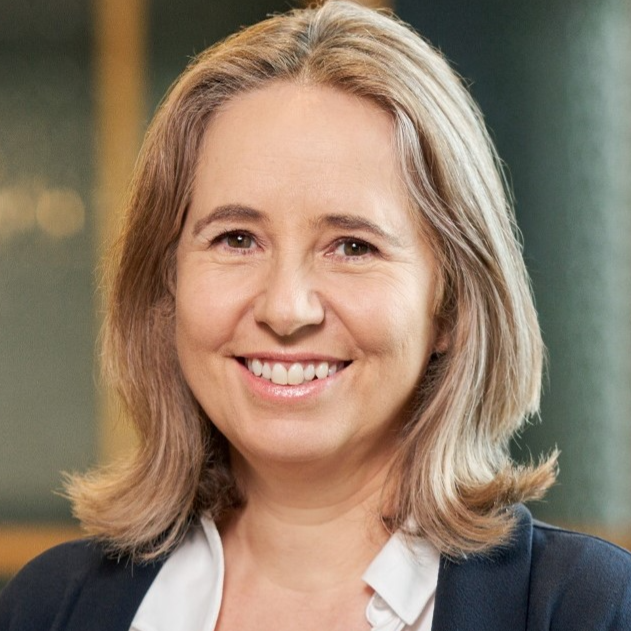
Dr Deborah Lind
As New Zealand Industry Lead for Water at Aurecon, Deborah leads a team at the forefront of New Zealand’s water industry transition, supporting the establishment and success of new water entities under Local Water Done Well.
A passionate advocate for diversity, equity, and inclusion, Deborah chairs Water New Zealand’s Diversity, Equity and Inclusion Group and is an active Global Women member. Her governance credentials include former Board Member and Audit and Risk Committee Chair at Water New Zealand, where she championed inclusive leadership throughout.

Wendy O’Halloran
National Manager Hynds Water
Wendy O’Halloran is National Manager of Hynds Water and has spent much of her career with Hynds. With extensive experience in New Zealand’s water and civil infrastructure sector, she has played a key role in growing the business and building strong relationships with customers, contractors, and councils. Known for her practical leadership and people-first approach, Wendy is passionate about supporting great teams and delivering smart, reliable infrastructure solutions.
Trudi Jones
Sales Manager Infrastructure Marley NZ
Trudi Jones is currently the National Infrastructure Sales Manager at Marley, New Zealand. Prior to her current role, Trudi trained as a Chef in the UK and spent many years running kitchens all over the world. Trudi came to New Zealand to cook for blade shearers in the late 1990’s. A far cry from fine dining restaurants in London! She fell in love with the country and the people and decided to make NZ her home. Trudi’s career at Marley NZ Ltd started 14 years ago as infrastructure territory manager for the South Island and now heads up the team for NZ.
Nicki O’Sullivan
General Manager Three Waters Schick Civil Construction
Nicki O’Sullivan is General Manager Three Waters at Schick Civil Construction. With more than 30 years’ experience in New Zealand’s infrastructure sector, she has led the growth of businesses across construction and distribution. Nicki is passionate about improving project delivery through collaboration, leadership development and building capability across the industry. She is a strong advocate for increasing diversity in infrastructure and to developing the next generation of leaders.
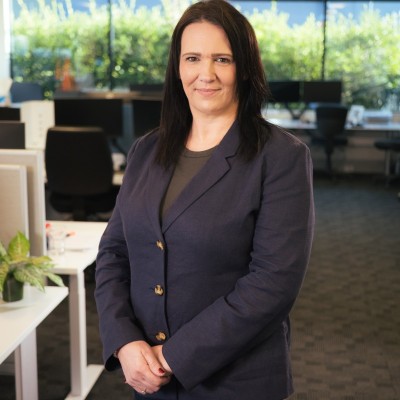
Louise Boyd
General Manager Water Services and Projects NZ, Downer
Based in Christchurch, Louise leads a national team of 500 specialists who deliver clean drinking water to over a quarter of New Zealand’s population. The team is also responsible for the delivery of construction projects and operations & maintenance contracts across New Zealand’s three waters networks.
Louise is dedicated to building trusted partnerships that help clients solve complex challenges and deliver lasting benefits for communities. She champions innovation, collaboration, and continuous improvement, enabling teams to deliver resilient water solutions that enable our communities to thrive.
Passionate about developing the industry’s future workforce, Louise is committed to attracting new talent and creating opportunities for mentoring, knowledge sharing, and professional growth that will strengthen the water sector for generations to come.
Hugh Goddard
Managing Director at Pipeline & Civil Ltd
Hugh is a civil engineer who has been resident in New Zealand for over 20 years and has also accrued experience in Ireland, UK, Middle East and Scandinavia.
He has worked in civil engineering contracting most of his career in project, contract & business management roles and is passionate about the industry. Having gained experience working in a variety of large organisations in New Zealand and overseas, Hugh is currently Managing Director of Pipeline & Civil, a civil contracting business that specialises in the construction and renewals of critical infrastructure assets. He is a shareholder and director of the business. Hugh is a Chartered Director and Chairman of Inframax Construction Limited. He is a Trustee of Construction Health and Safety New Zealand and an ex-Chair of the Auckland Branch of Civil Contractors New Zealand.
SMART WATER AS A FINANCIAL LEVER: USING DIGITAL INSIGHTS TO TACKLE AFFORDABILITY AND ASSET MANAGEMENT

Sam Repia
Sam Repia has over 12+ years of experience in the utility industry with a particular focus on smart water metering, data analytics, and ESG. In his current role, Sam is the Account Manager for Landis+Gyr New Zealand, a global provider of integrated energy management solutions to measure and analyze energy and water usage to generate empowering analytics for smart grid and infrastructure management, enabling utilities and consumers to reduce energy and water consumption. Sam is responsible for growing the water segment in New Zealand and has been instrumental in developing fit for purpose strategy locally. Combined with his knowledge with advanced metering solutions for utilities, including analytics, Sam has a strong passion for sustainability and enabling an efficient grid and water networks.
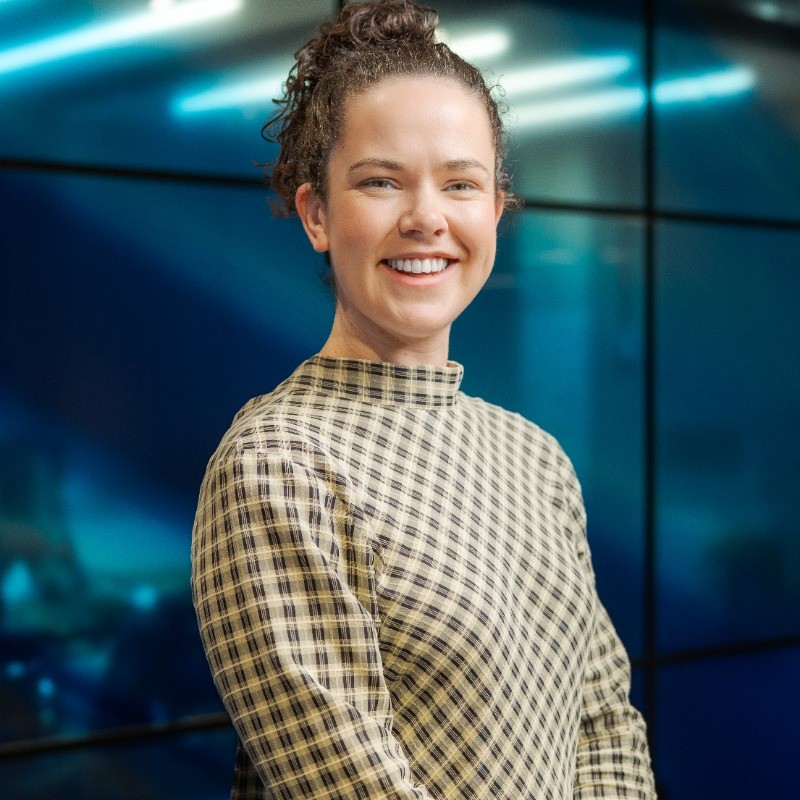
Harriet Bond
Harriet is the General Manager of Operations at Bluebeacon, with more than 10 years’ experience across the water, engineering, and IT sectors. Known for simplifying complex challenges and connecting people with solutions, she is passionate about collaboration and values opportunities to learn from and contribute to the wider water industry community.
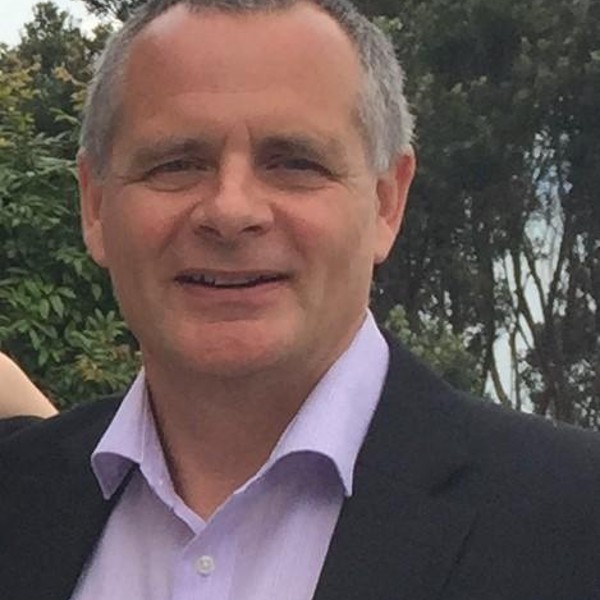
Greg Preston
Asset Data Standards Group Lead
Greg Preston has been the flag bearer for asset data standards in 3 waters for a number of years. Following the Canterbury Earthquakes, he spent 13 years managing research programmes in Civil Engineering at UC. He works one day per week for Water NZ helping to coordinate the development and implementation of the 3W Asset Data Standards. He is also a Trustee of Digital Built Aotearoa Foundation which owns and manages the National Forward Works Viewer and the NZ Underground Asset Register.
Parvati Patel
IAWAI
TIROHIA KI TE ANAMATA: CONSIDERING THE ROLES FOR WATER REUSE IN AOTEAROA

Silvia Vlad
Silvia Vlad is a drinking water process engineer, with experience delivering drinking water and water reuse projects across North America, Singapore, Australia and Aotearoa. As Jacobs’ New Zealand Drinking Water Treatment Lead, Silvia regularly connects the dots between international approaches and implementation requirements for local clients, acting as the bridge between NZ projects and Jacobs’ extensive network of global expertise. Silvia is currently serving as the lead of the WaterNZ reuse subgroup, and is passionate about creating opportunities for discourse on our future water needs.

Leanne McKenzie
Leanne McKenzie is the Water Resources Planning Manager at Watercare Services Limited, Auckland’s council-controlled organisation responsible for managing the region’s water and wastewater services. With over 20 years’ experience in the water and wastewater industry, Leanne holds a Master of Science and brings a strong technical and strategic background to her role. Formerly Watercare’s Principal Water Quality Scientist, she now leads the development of long-term water resource planning strategies to support Auckland’s growth and changing demand. Leanne is focused on identifying and securing sustainable water solutions to ensure a resilient and reliable water supply for Auckland. Her work includes exploring alternative and diversified sources such as recycled water and desalination, alongside traditional water supply options.
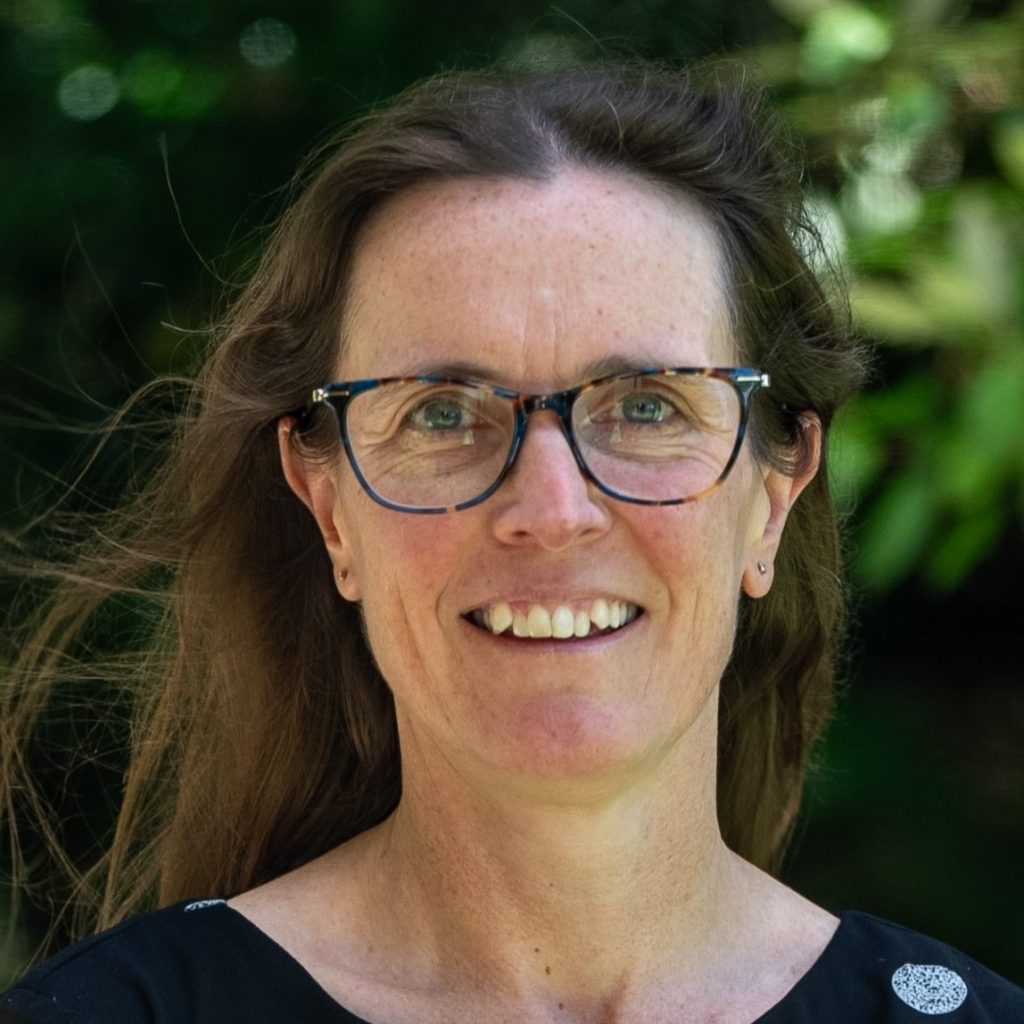
Louise Weaver
Louise Weaver is a leading scientist and technical lead for the Microbial solutions, Biowaste and Microplastics team within the Health Security Group at the New Zealand Institute for Public Health and Forensic Science (PHF Science, formerly named the Institute of Environmental Science and Research). As the chair of WaterNZ’s emerging contaminant special interest sub-group, Louise is invested in bringing state-of-the-science information to support New Zealand’s water industry in providing safe and resilient water supplies, capable of tackling challenges including PFAS, microplastics, organic chemical contaminants and antimicrobial resistant pathogenic microorganisms. Louise has an extensive publication record, including influential journal articles that address critical issues such as the impact of microplastics on aquatic systems, microbial degradation of plastics, and the dynamics of antimicrobial resistance in the environment.
Troy Brockbank
Troy Brockbank (Te Rarawa, Ngāti Hine, Ngāpuhi, Ngātiwai, Ngāti Kahu) is a Civil Engineer, Water Practitioner, technical advisor, and cultural navigator, who works primarily within the water industry. His whakapapa Māori heritage informs his profound respect for water as a treasured taonga, beautifully encapsulated in the whakataukī: “Ko au te wai, Ko te wai ko au – I am the water, the water is me.” With over 18 years of experience spanning engineering consultancies, civil contracting, government roles, and supplier engagements, Troy has specialised in water-sensitive design which drives his passion for protecting, rejuvenating, and restoring waterways and the environment.
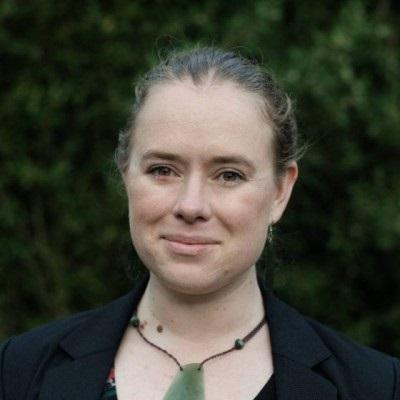
Stephanie Dijkstra
Stephanie is of Ngāi Tahu and Ngāti Mamoe descent and specialises in kaitiakitanga led and intergenerationally informed environmental outcomes and the interweaving of mātauranga and western science. She is a Kaitohutohu -Senior Advisor Business and Infrastructure at WSP and a māori scientist with expertise in water infrastructure resilience, environmental science, regulatory implementation, and network risk management. She works across freshwater, stormwater, and wastewater systems, supporting councils, water service providers, and central government on policy, planning, and infrastructure resilience.
Jon Bates
Jon Bates is a senior principal process engineer with Jacobs, with over 25 years‘ experience in the design, construction and commissioning of recycled water, drinking water & wastewater schemes in New Zealand, Australia, Singapore, and the UK. He has designed and delivered numerous advanced treatment plants as well as supporting multiple jurisdictions in establishing the roadmaps and regulatory frameworks for water reuse. Jon regularly brings international context to Jacobs’ work in Aotearoa, having served as the senior technical lead for numerous drinking water projects across the motu.

Wade Swannell
Wade Swannell leads with a programme-first mindset, driving successful delivery across an extensive array of complex water and wastewater projects. Wade is responsible for overseeing the full lifecycle of multi-project programmes, ensuring strategic alignment, prioritisation, and coordinated execution. He manages a portfolio that encompasses hundreds (600+) of team members and multiple concurrent initiatives, focusing on integrated planning, risk management, and resource optimisation to achieve the water industry’s long-term objectives.
Wade fosters a culture that achieves positive results and consistency in outcomes across programmes of work. His approach is rooted in programme management best practices, fostering collaboration among project teams and stakeholders, and maintaining a clear focus on delivering value at the portfolio level.
Wade brings a wealth of experience as a Design and Project Manager, holding a BSc in Chemical Engineering and internationally recognised credentials including PMP® (Project Management Professional) from PMI®, and Chartered Professional Engineer (CPEng) registration with Engineering New Zealand. Since joining Beca in January 2019, he has demonstrated expertise in orchestrating complex programmes, meeting critical milestones, and maintaining effective communication with both teams and clients.
Committed to international best practice, Wade continually leverages his programme management skills to drive performance, ensure alignment with his clients’ strategic priorities, and delivering optimal outcomes for all stakeholders. His previous roles include managing the Northern Water Section, serving as Delivery Lead for the Northern Water team, and providing process engineering leadership within the water sector.